


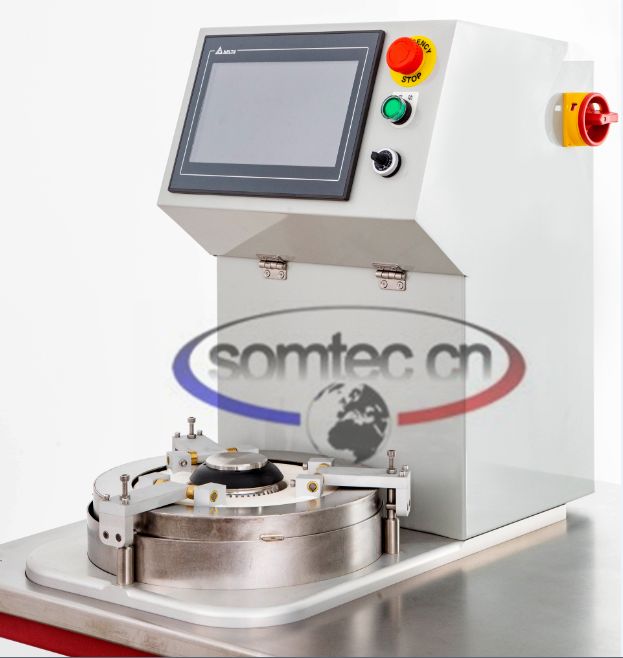
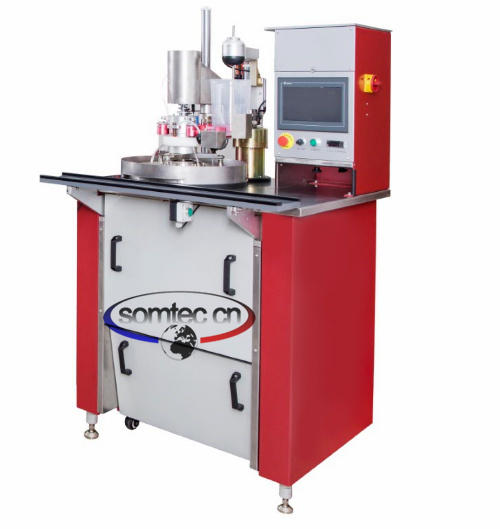
Double-sided (lapping) polishing machine DS400
keyword:
研磨
Rotating tools:
Number of carriers:
Max.Working Size:
Plates rotation speed:
Gear rotation speed:
Installed electrical power:
Voltage:
Specification of machine:
Weight:
380mm
5 pieces
Ø4 inches; thickness 30–100 mm
0-160tr/min
0-80tr/min
2.5kw
380V three-phase power
W1000*D800*H1880
600kg
category:
- Description
- Examples
- Application
-
- Commodity name: Double-sided (lapping) polishing machine DS400
- Rotating tools:: 380mm
- Number of carriers:: 5 pieces
- Max.Working Size:: Ø4 inches; thickness 30–100 mm
- Plates rotation speed:: 0-160tr/min
- Gear rotation speed:: 0-80tr/min
- Installed electrical power:: 2.5kw
- Voltage:: 380V three-phase power
- Specification of machine:: W1000*D800*H1880
- Weight:: 600kg
Ultra-thin wafers, crystalline materials, high precision!
Product positioning
1 During the R&D phase, material development enables efficient and precise lapping and polishing of specialty materials—such as those with limited quantities, unstable properties, or characteristics like brittleness, softness, or hardness—as well as materials that demand stringent processing conditions. The double-sided machine platform supports both single- and double-sided processing for a wide range of materials.
2 Large-scale, mass-production double-sided lapping and polishing equipment; we undertake… DS280 Mass‑production models ranging from compact to larger formats are ideal for batch double‑sided lapping and polishing of small to medium‑size workpieces, seamlessly supporting both laboratory prototyping and continuous factory production. They serve as the mainstay of production lines. As high‑precision, dual‑side lapping and polishing systems, these machines offer user‑friendly operation, boost throughput, reduce staffing needs, and lower processing costs—while delivering exceptional accuracy in meeting stringent optical specifications and ensuring consistent, uniform mass‑produced parts on assembly‑line operations.
Product Features
Touchscreen control system, supporting manual adjustment and automatic recipe mode, with storage for multiple process recipes.
Expandable options
Optional modules include a constant-temperature cooling platter, polishing‑fluid circulation system, in‑line thickness positioning system, high‑precision micro‑pressure regulation, automatic material discharge, and an anti‑adhesion system.
Specifications
DS400
Bowl size
400mm
Rotating tools
380mm
Carriers track net
5 pcs* Ø 125mm
Max. Working Size
Ø4 inch ;th 30-100mm
Plates speed
0-160tr/min
Gear speed
0-80tr/min
Plates motor power
2 pcs * 0.9 kW
Gear motor power
0.6kw
Installed electrical power
2.5kw
Voltage
380V three-phase
Dimension
W1000*D800*H1880
Weight
600kg
Key words:- Polishing machine
- equipment
- system
- lower platter
- gear
- rotational speed
- motor
- power
- grinding
- polishing disc
-
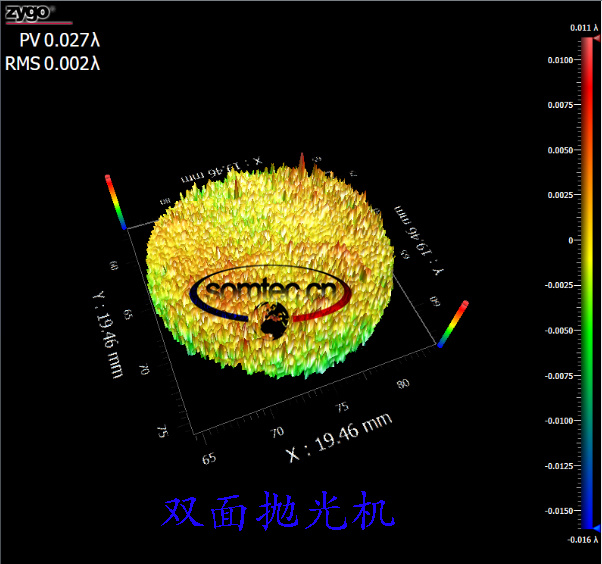
Double-sided polishing machine PV 0.027λ
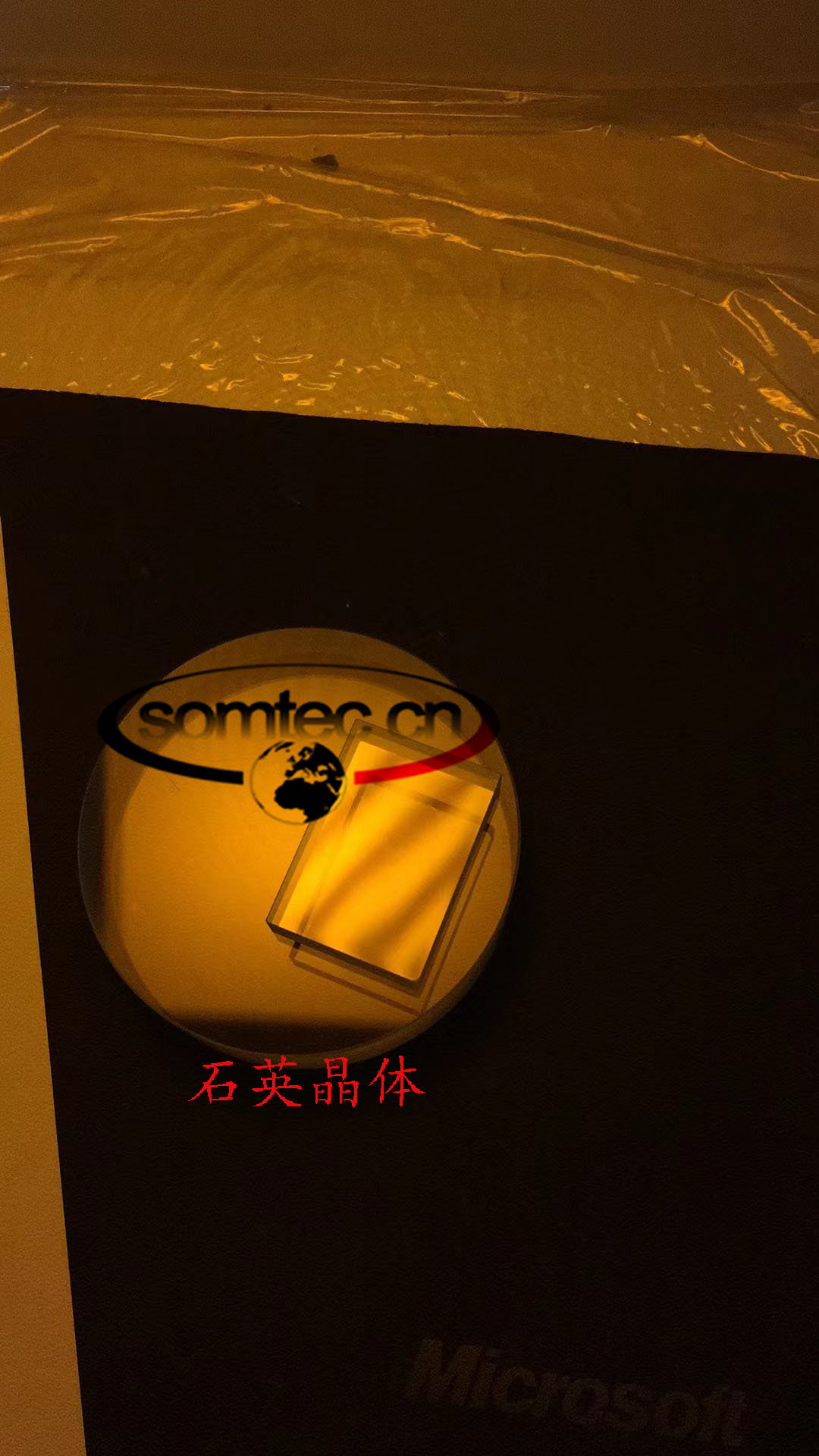
Quartz crystal
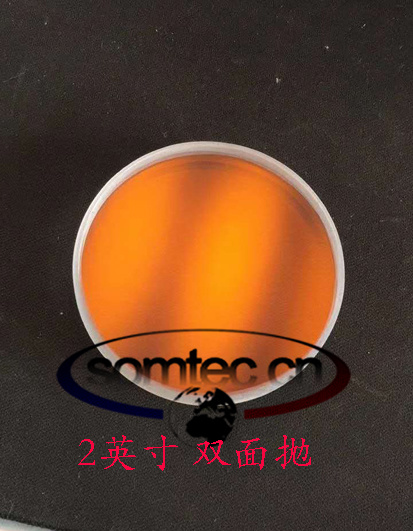
2-inch double-sided polishing
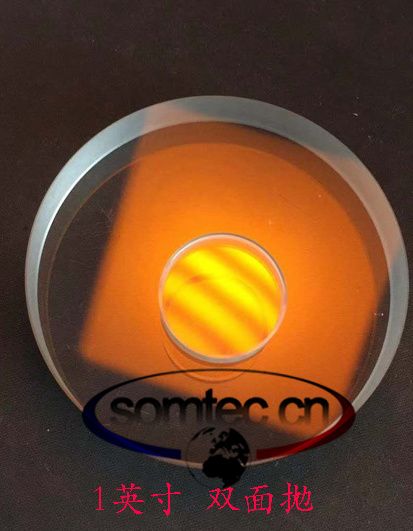
1-inch double-sided polishing
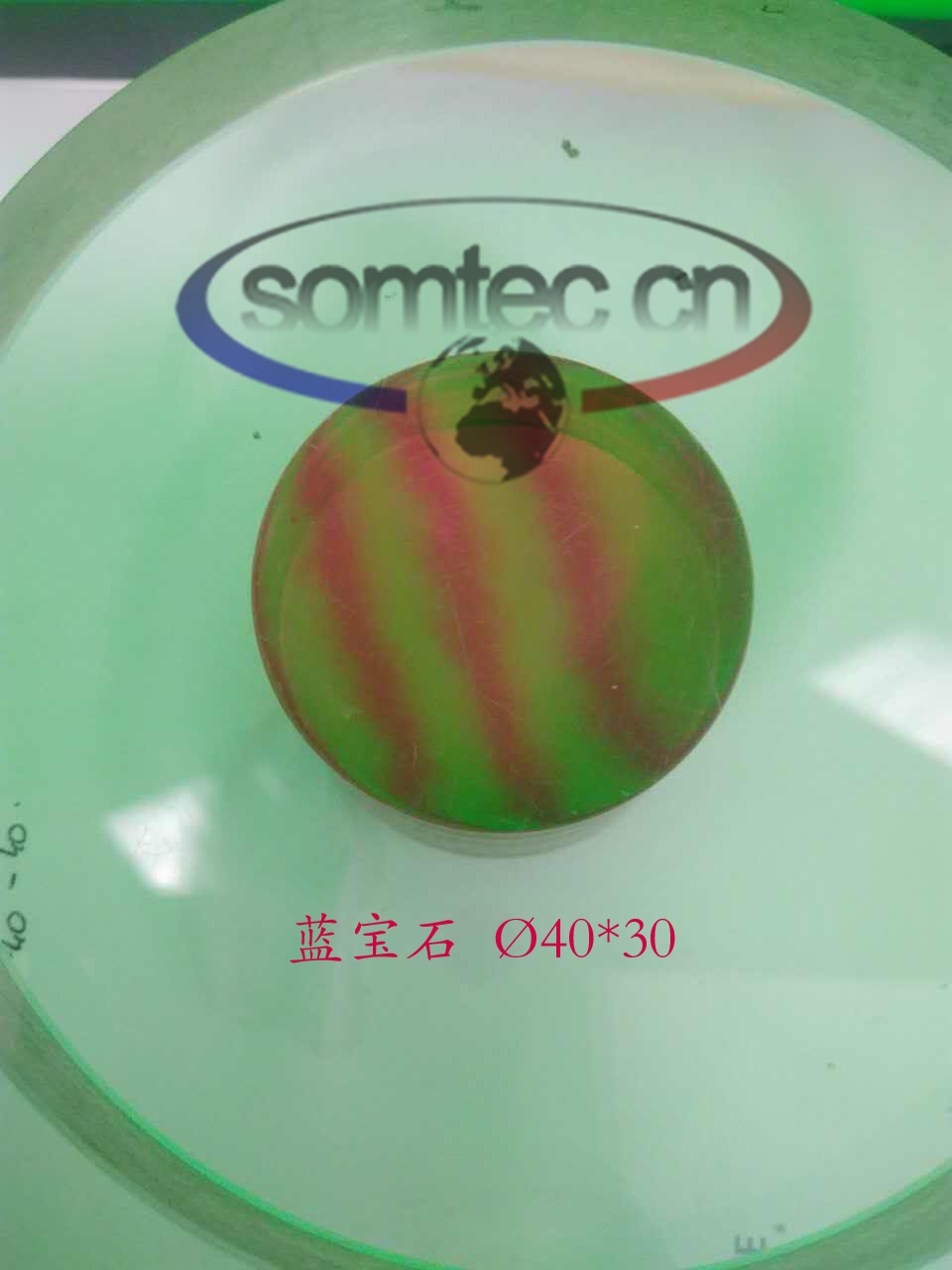
Sapphire Ø40*30
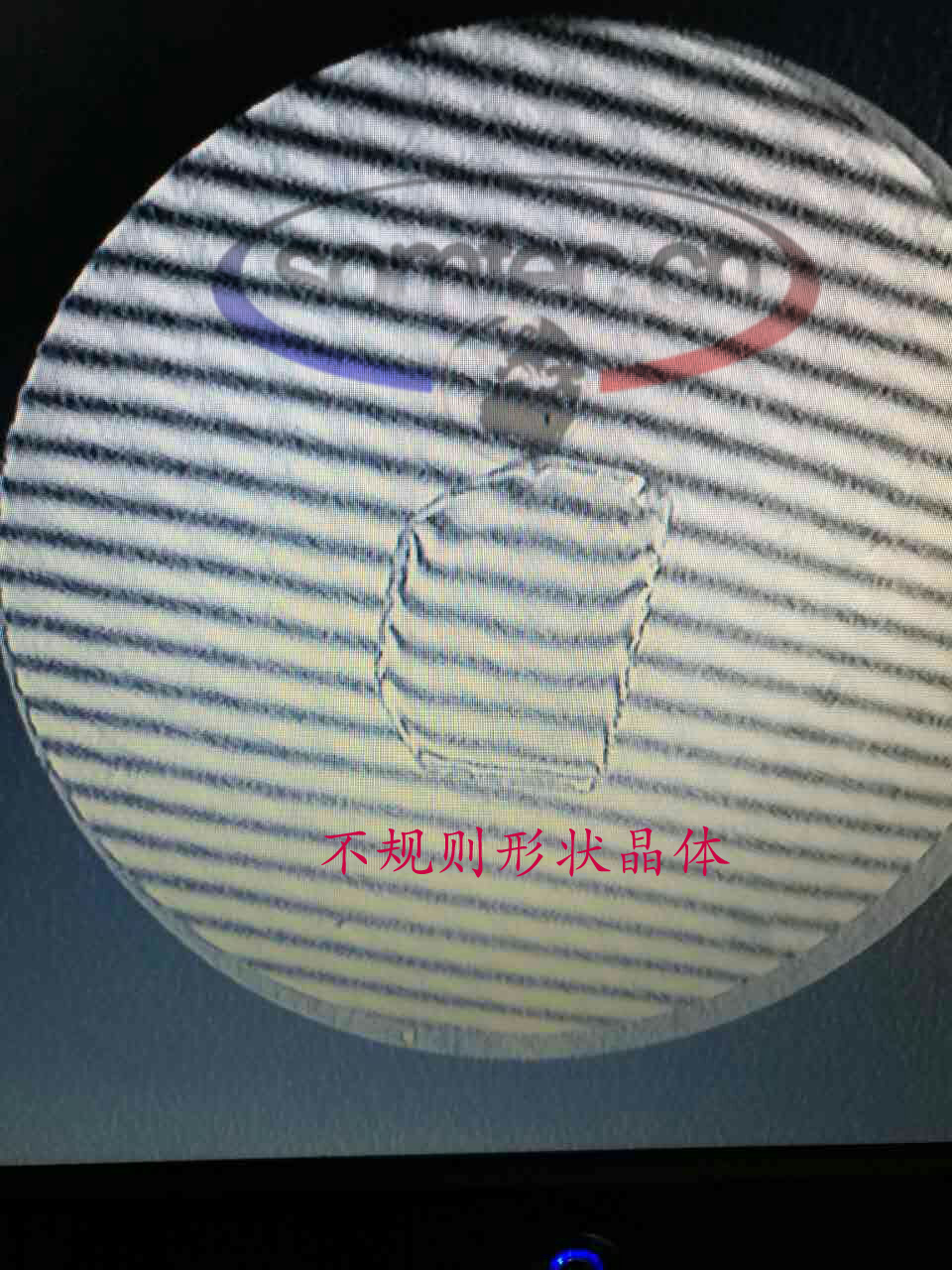
Irregularly shaped crystal
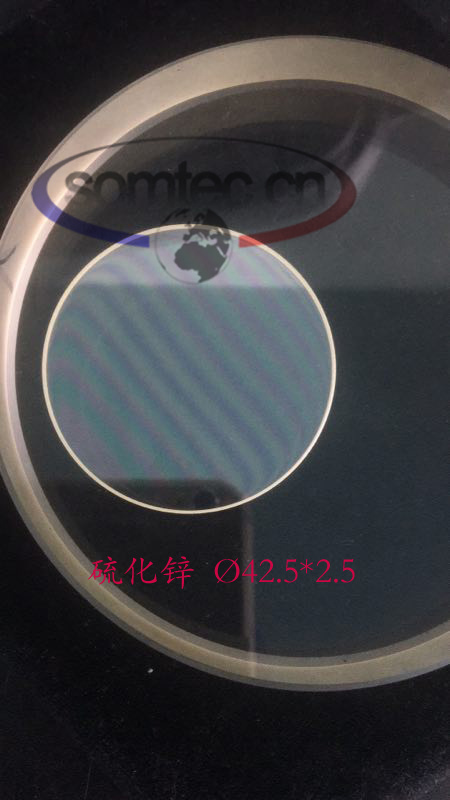
Zinc sulfide Ø42.5*2.5
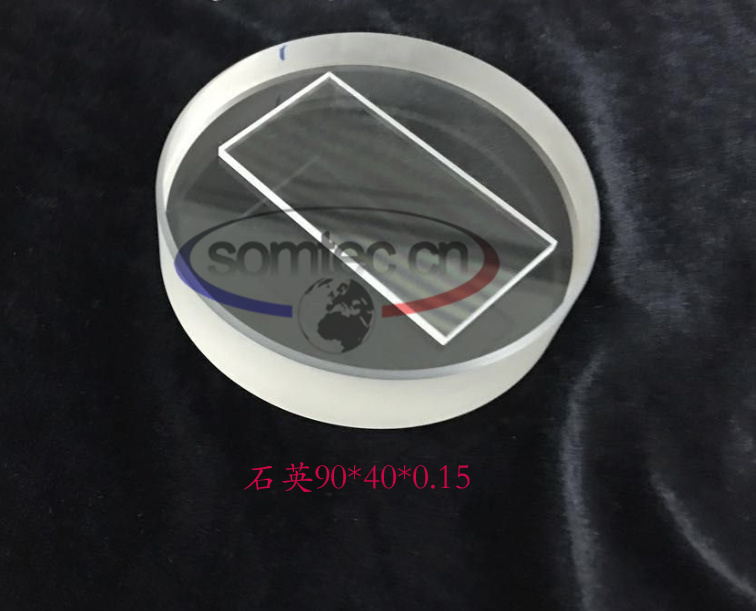
Quartz 90*40*0.15
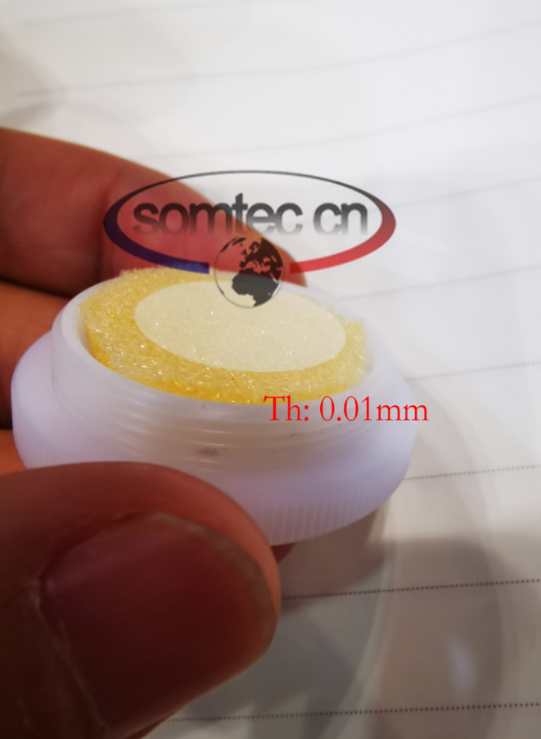
Th: 0.01 mm
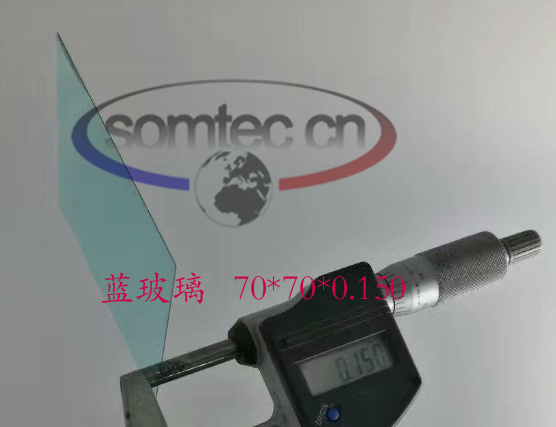
Blue glass 70*70*0.150
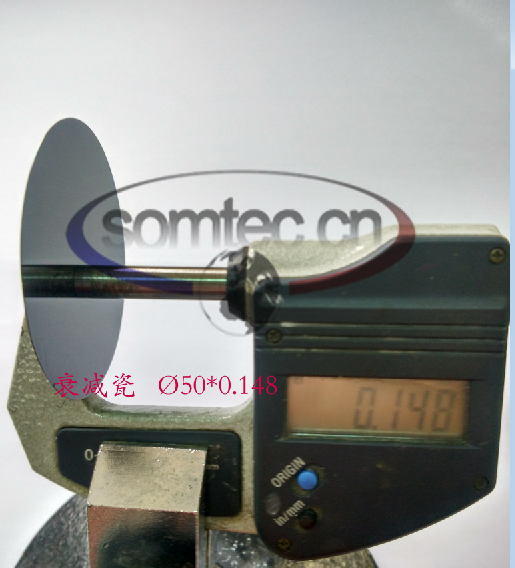
Attenuation ceramic Ø50*0.148
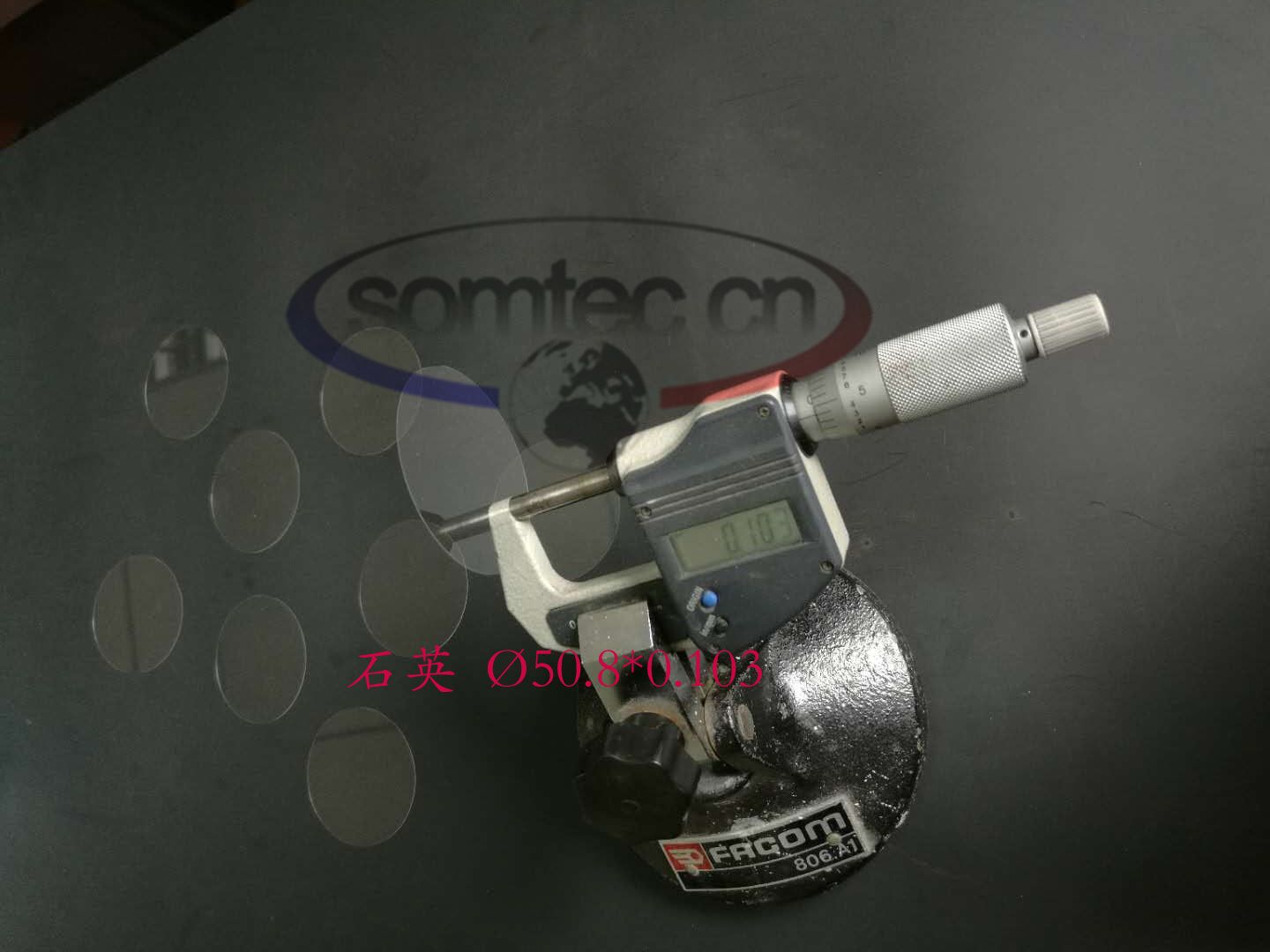
Quartz Ø50.8*0.103
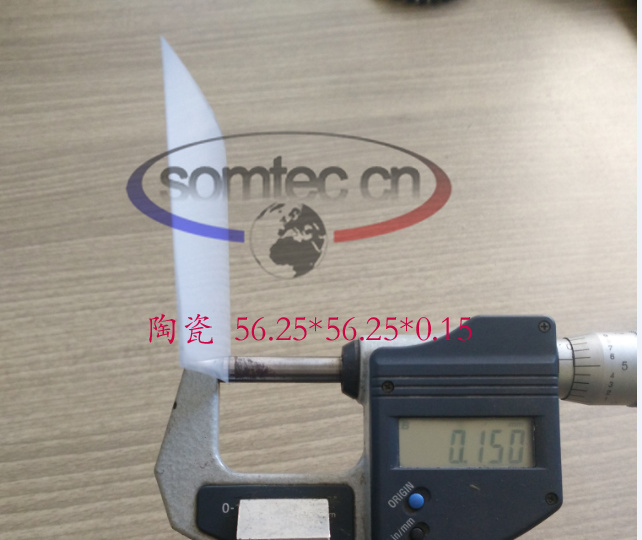
Ceramic 56.25*56.25*0.15
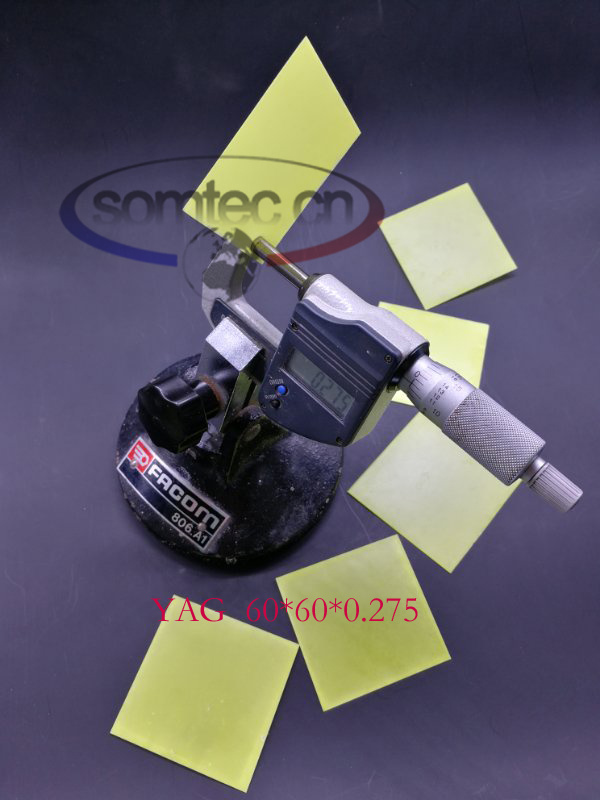
YAG 60*60*0.275
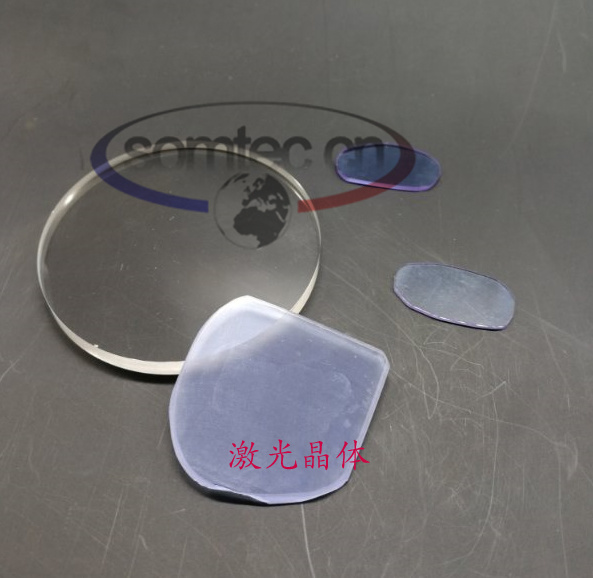
Laser crystal
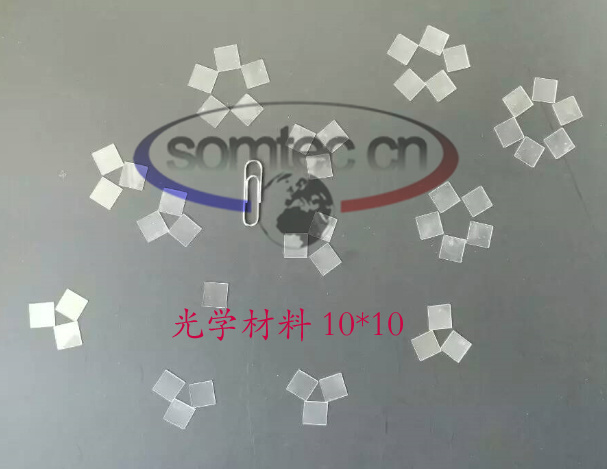
Optical material 10*10
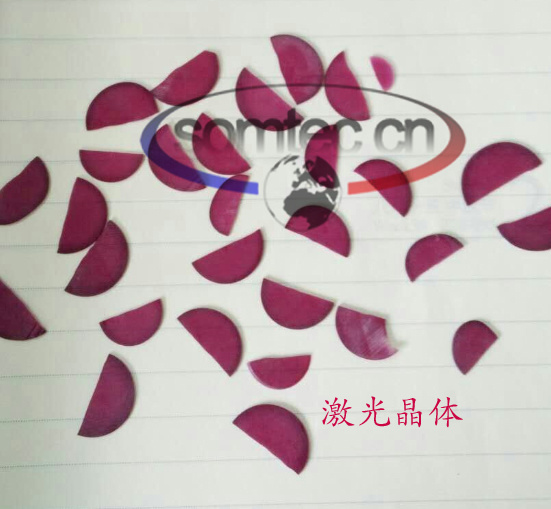
Laser crystal
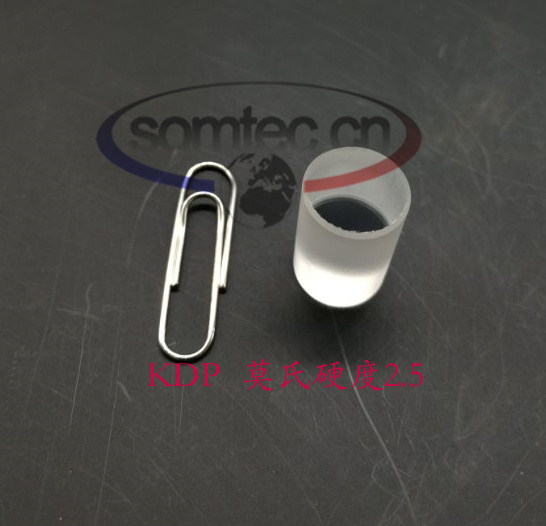
KDP, Mohs hardness 2.5
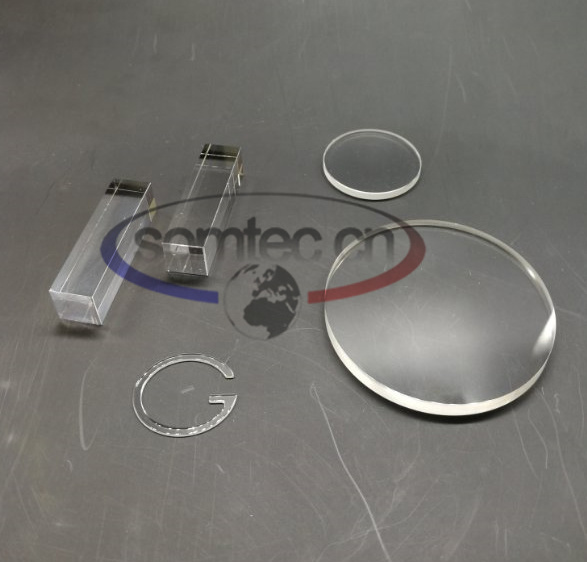
Sapphire
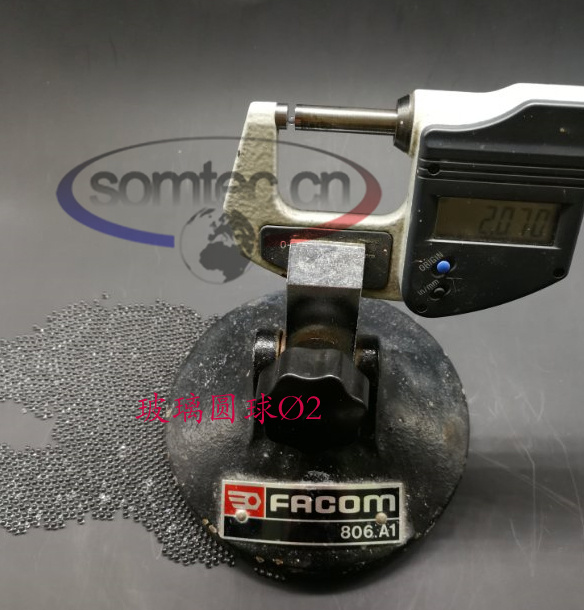
Glass sphere Ø2
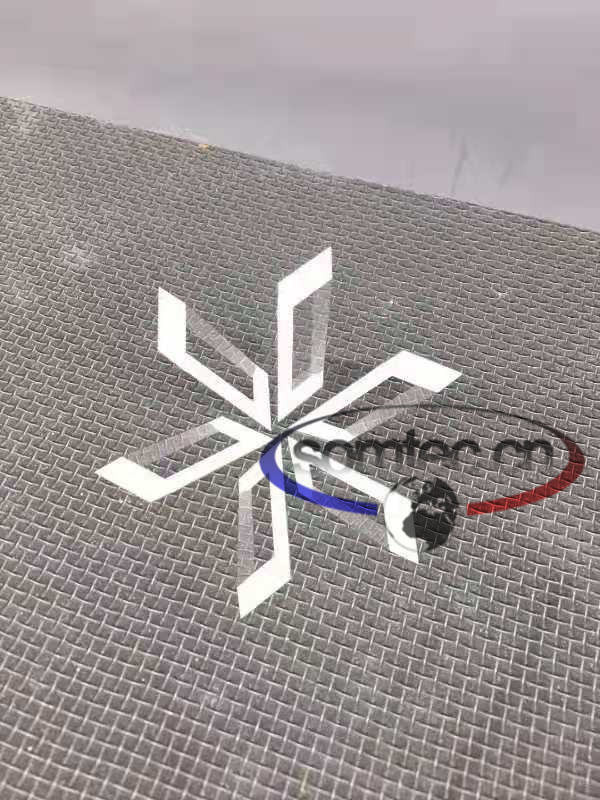
Brewster Point
-
Processable materials:
Fluorides, zinc selenide, zinc sulfide, lithium niobate, germanium, silicon, sapphire, various laser crystals, ceramics, infrared materials, optical glass, semiconductor materials, and other soft, hard, and brittle substances.
Mainly used for:
Military industry, aerospace, electronics, semiconductors, laser navigation, machinery, medical devices, optics, and high-end watch manufacturing...


Messages
Contact Us


No. 39-13-8, Gangxing Street, Dalian Economic and Technological Development Zone, Liaoning Province
Dalian Somtec Industry Parts Co.,Ltd.
French Technology, French Quality

Copyright © 2022 Dalian Somtec Industry Parts Co.,Ltd. Powered by:CEglobal Business License